

Beyond the Beach: The Hidden World-Class Workshops of Portugal
Portugal has undeniably become one of the world’s premier tourist darlings. In the last decade, millions have flocked to its shores, drawn by the magnetic allure of the Algarve’s golden cliffs, the vibrant, sun-drenched streets of Lisbon and Porto, and a culinary scene that far exceeds its famous custard tarts. Portugal is celebrated for its “good life”—the beaches, the cities, the food.
Yet, what many visitors sipping a spritz on a terrace don’t realize is that they are sitting atop a powerhouse of specialized production. Beyond the tourism veneer lies a nation with deep industrial roots and artisanal traditions that have quietly made “Made in Portugal” a global benchmark for quality in specific, surprising niches.
Portugal isn’t just a place to consume; it is a place that creates. From the shoes on your feet to the sheets on your bed, here is an insightful look at the world-class products Portugal produces, why they are superior, and where you can find them.
1. The Natural Miracle: Cork
If Portugal has a national industrial identity, it is cork. Portugal is the undisputed heavyweight champion of this material, responsible for roughly 50% of the entire planet’s supply.
Why it’s World-Class: Cork is harvested from the Quercus suber (cork oak) tree, which grows predominantly in the sunny plains of the Alentejo region. Crucially, the tree is never cut down; its bark is stripped every nine years in a delicate, skilled process, making it one of the most sustainable materials on earth. Portuguese cork is prized for its unique cellular structure—it is impermeable, buoyant, elastic, and fire-resistant. While it stoppers the world’s best wines, Portuguese innovation has pushed it into fashion (vegan leather alternatives), construction flooring, and even insulation panels for European Space Agency spacecraft.
Where to Find It: You don’t have to look far. High-quality cork design shops are common in Lisbon’s Baixa district. For a deeper experience, visit the Alentejo region to see the cork forests and visit local artisans in towns like Évora.
2. The Liquid Gold: Port Wine and Olive Oil
Portugal’s soil and sun combine to create world-renowned nectars, most notably fortified wine and exceptional olive oil.
Why they are World-Class:
- Port Wine: Produced exclusively in the UNESCO-protected Douro Valley—the world’s oldest demarcated wine region—Port is unique due to its terror (steep schist soil terraces) and the fortitude of its grapes. The complex process of halting fermentation with grape spirit creates a wine capable of aging for a century.
- Olive Oil (Azeite): Often overshadowed by Italy and Spain, Portuguese olive oil is a connoisseur’s secret. Utilizing ancient native olive varieties like the “Galega,” Portuguese producers focus on premium Extra Virgin quality rather than mass yield, resulting in oils with distinctively fruity, grassy, and peppery profiles, particularly from the Alentejo and Trás-os-Montes regions.
Where to Find It: For Port, the pilgrimage is to the wine cellars of Vila Nova de Gaia, across the river from Porto. For top-tier olive oil, look for specialist gourmet shops in major cities or visit estates like Herdade do Esporão in Alentejo for tastings.
3. The Artisan’s Touch: Footwear and Luxury Linens
Northern Portugal is often referred to as the “workshop of Europe” for high-end fashion and home goods.
Why they are World-Class:
- Footwear: Portugal has quietly become the second most important luxury shoemaker in Europe after Italy. The industry centers around towns like Felgueiras and Guimarães. The secret is a generational workforce that blends traditional hand-stitching techniques with state-of-the-art technology. Many luxury brands you know (and wear) secretly manufacture their lines here due to the unmatched quality-to-price ratio of Portuguese leatherwork.
- Sheets and Home Textiles: This is perhaps Portugal’s best-kept secret. If you have ever slept in a five-star hotel and marveled at the crispness of the sheets, they were likely made near Guimarães or Braga. Portugal is a global leader in high-end bed and bath linens, known for sourcing the best Egyptian cotton and utilizing superior weaving and finishing processes that ensure softness and extreme durability.
Where to Find It: For shoes, seek out Portuguese brands like Carlos Santos or Fly London in Porto. For linens, while many factories supply other brands, you can find exquisite Portuguese-made sheets in high-end department stores like El Corte Inglés in Lisbon, or specialty boutiques like “A Vida Portuguesa.”
4. The Artistic Soul: Azulejos and Pottery
Ceramics in Portugal are not just products; they are the visual autobiography of the nation, covering everything from church interiors to train stations.
Why they are World-Class:
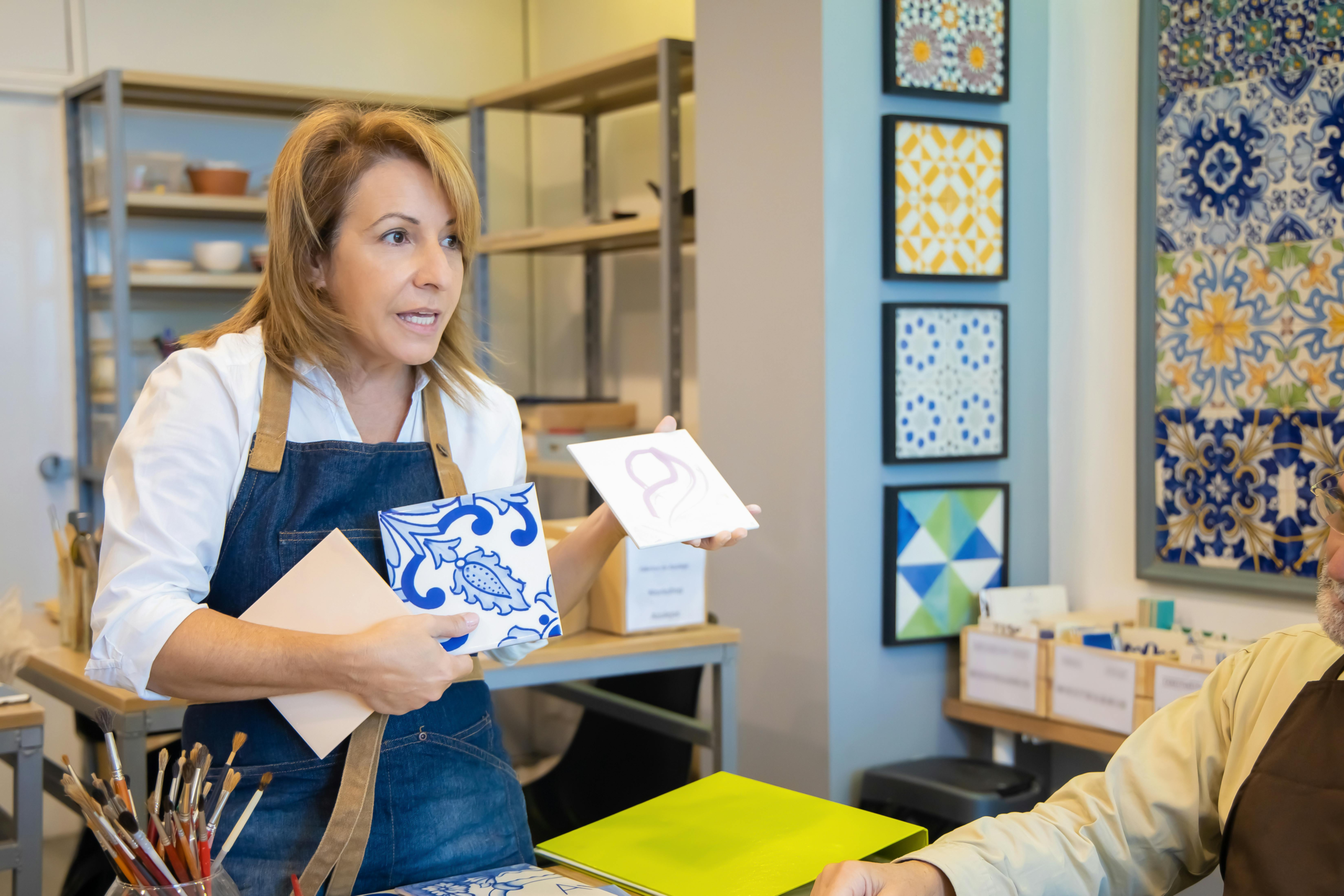
- Azulejos (Tiles): These aren’t just bathroom tiles; they are art. The Portuguese tradition involves intricate hand-painting and glazing techniques dating back centuries, often telling historical stories in iconic blue and white hues.The durability of their glazing techniques means tiles exposed to the elements for 300 years still look vibrant today.
- Pottery: Beyond flat tiles, Portuguese earthenware is iconic. The most famous example is Bordallo Pinheiro, known for its whimsical, naturalist ceramics—plates shaped like cabbage leaves, tureens shaped like pumpkins—which require technically demanding molds and vibrant, artistic glazes.
Where to Find It: To understand the craft, visit the National Tile Museum in Lisbon. To buy, avoid cheap tourist knock-offs and visit reputable artisan workshops like Sant’Anna in Lisbon (operating since 1741) or official Bordallo Pinheiro stores.
5. The Gourmet Revival: Canned Fish (Conservas)
Once seen as cheap survival food for sailors, Portugal has elevated canned fish into a luxury gourmet item.
Why it’s World-Class: It starts with the Atlantic. The cold, nutrient-rich waters off the Portuguese coast produce incredibly flavorful sardines, mackerel, and tuna. The Portuguese method involves canning the fish fresh (not frozen), often by hand, using high-quality local olive oil and sauces. The industry has also mastered the art of packaging, wrapping the tins in beautiful, retro designs that make them coveted design objects as much as food.
Where to Find It: Visit the historic “Conserveira de Lisboa” in Lisbon for an authentic experience, or look for specialized “lojas de conservas” (tinned fish stores) that act almost like jewelry shops for sardines throughout the country.